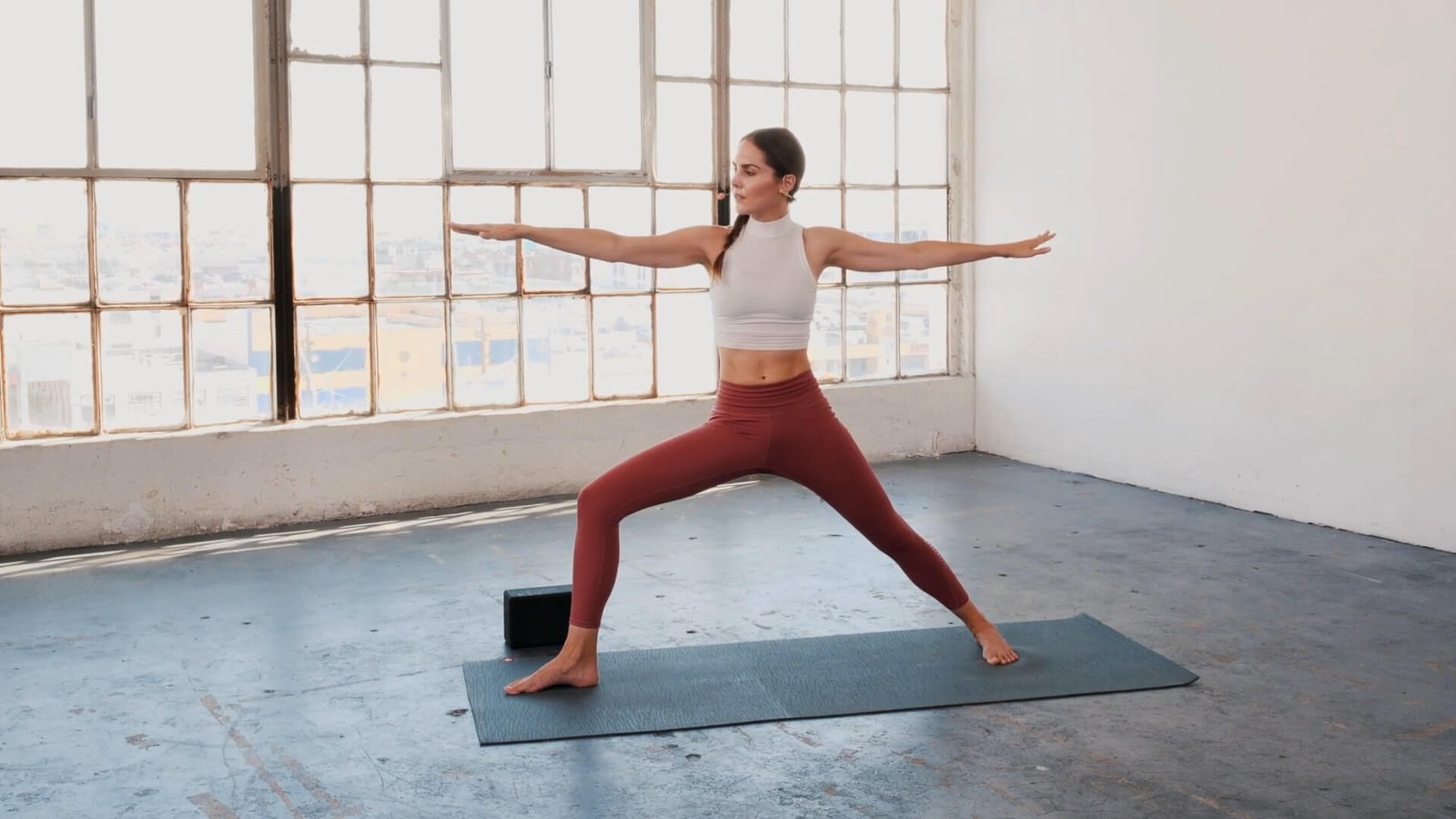
I’ve always believed that yoga isn’t just about twisting yourself into pretzels—it’s a gentle invitation to reconnect with your body and breath. When I stumbled into my first yoga class over a decade ago, fresh out of a stressful desk job, I was the newbie fumbling through poses while everyone else seemed effortlessly serene. That experience taught me that starting small builds a foundation that lasts. If you’re new to yoga, these 12 essential poses will help you ease in, build strength, and find calm without overwhelming your body. We’ll cover everything from setup to step-by-step guidance, drawing from timeless practices that have helped millions, including me, transform daily tension into quiet confidence.
Why Yoga Matters for Beginners
Jumping into yoga as a beginner can feel like learning a new language, but the rewards are profound and backed by science. It boosts flexibility, strengthens muscles, and sharpens mental focus, all while reducing stress hormones like cortisol. I remember my early sessions leaving me sore yet strangely energized, like I’d hit a reset button on my chaotic week. For newcomers, these poses lay the groundwork for better posture and injury prevention, making everyday activities—like chasing kids or hauling groceries—feel easier. Plus, regular practice can improve sleep and heart health, turning a simple mat routine into a lifeline for wellness.
Yoga’s beauty lies in its accessibility; you don’t need fancy gear or a gym membership. Start with 10-15 minutes daily, and you’ll notice subtle shifts—a looser back, calmer mind. It’s not about perfection; it’s about showing up. As someone who’s guided friends through their first flows, I can tell you: consistency trumps intensity every time.
Getting Started: Essentials for Your Practice
Before diving into poses, set up a space that feels inviting and safe. A quiet corner at home works wonders—roll out a non-slip mat on a flat surface, away from distractions. I once practiced in a cluttered living room and kept tripping over toys; lesson learned: clear the area for focus.
You’ll need basics like a yoga mat for cushioning and grip, blocks for support in reaches, and a strap for tighter spots. Beginners often skip props, but they make poses modifiable and fun. For instance, a folded blanket under knees softens resting poses.
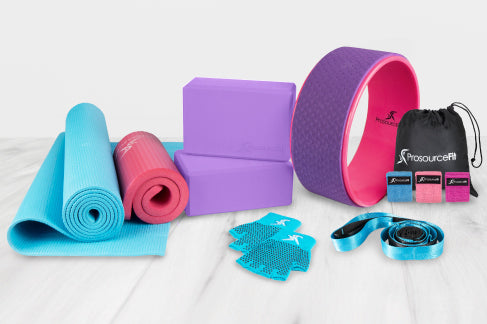
Yoga mat and props like blocks and straps help beginners modify poses safely.
Opt for affordable, eco-friendly options; sites like Yoga Journal recommend mats with good traction for sweaty sessions.
Wear comfy clothes that move with you—think breathable leggings and a fitted top. No shoes needed; barefoot builds grounding. If joining a class, apps like Peloton or local studios offer beginner-friendly sessions.

A simple home setup with mats and natural light creates an inviting beginner yoga space.
Hydrate, eat lightly beforehand, and listen to your body—pain means stop.
Best Tools for Beginners
Transactional intent shines here: invest in quality to stick with it. Top mats include Gaiam Premium for cushioning or Manduka for durability. Props like cork blocks add stability without breaking the bank.
| Tool | Why It’s Essential | Beginner Recommendation |
|---|---|---|
| Yoga Mat | Provides grip and comfort | Gaiam 5mm thick, non-slip |
| Blocks | Supports alignment | Foam or cork for lightness |
| Strap | Extends reach | Cotton buckle strap |
| Blanket | Cushions joints | Folded towel alternative |
These build a home practice that’s sustainable and enjoyable.
The 12 Essential Yoga Poses
Master these foundational asanas to create a balanced routine. Each includes steps, benefits, and tips—practice mindfully, breathing deeply.
Mountain Pose (Tadasana)
This standing staple grounds you, improving posture from the ground up. It teaches awareness of alignment, setting the tone for your practice. I wobbled like a leaf in wind at first, but it quickly became my go-to for centering before busy days.
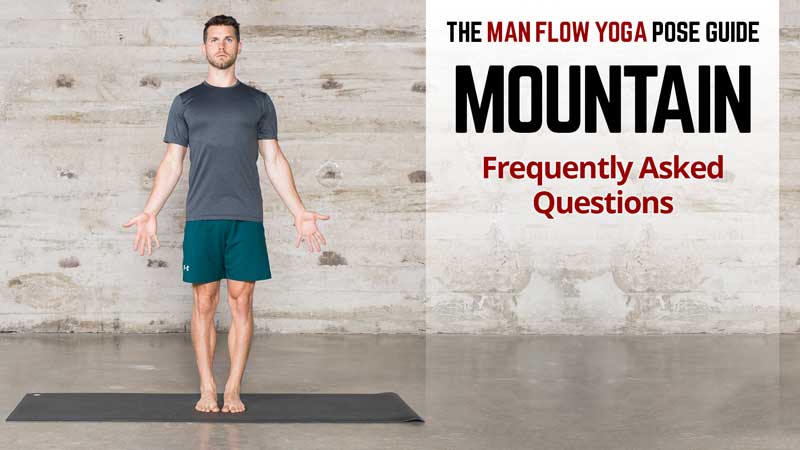
Moutain Pose builds a strong foundation for standing asanas.
Stand tall with feet hip-width, arms relaxed, gaze forward. Engage thighs, lift chest, and breathe evenly for 30 seconds.
- Distribute weight evenly on feet.
- Roll shoulders back, palms facing forward.
- Hold 5-10 breaths.
Benefits include better balance and reduced back pain. Avoid slouching; imagine a string pulling your head upward.
Downward-Facing Dog (Adho Mukha Svanasana)
An energizing inversion that stretches the whole body, it’s a flow staple. My hamstrings screamed initially, but persistence turned it into a refreshing reset.
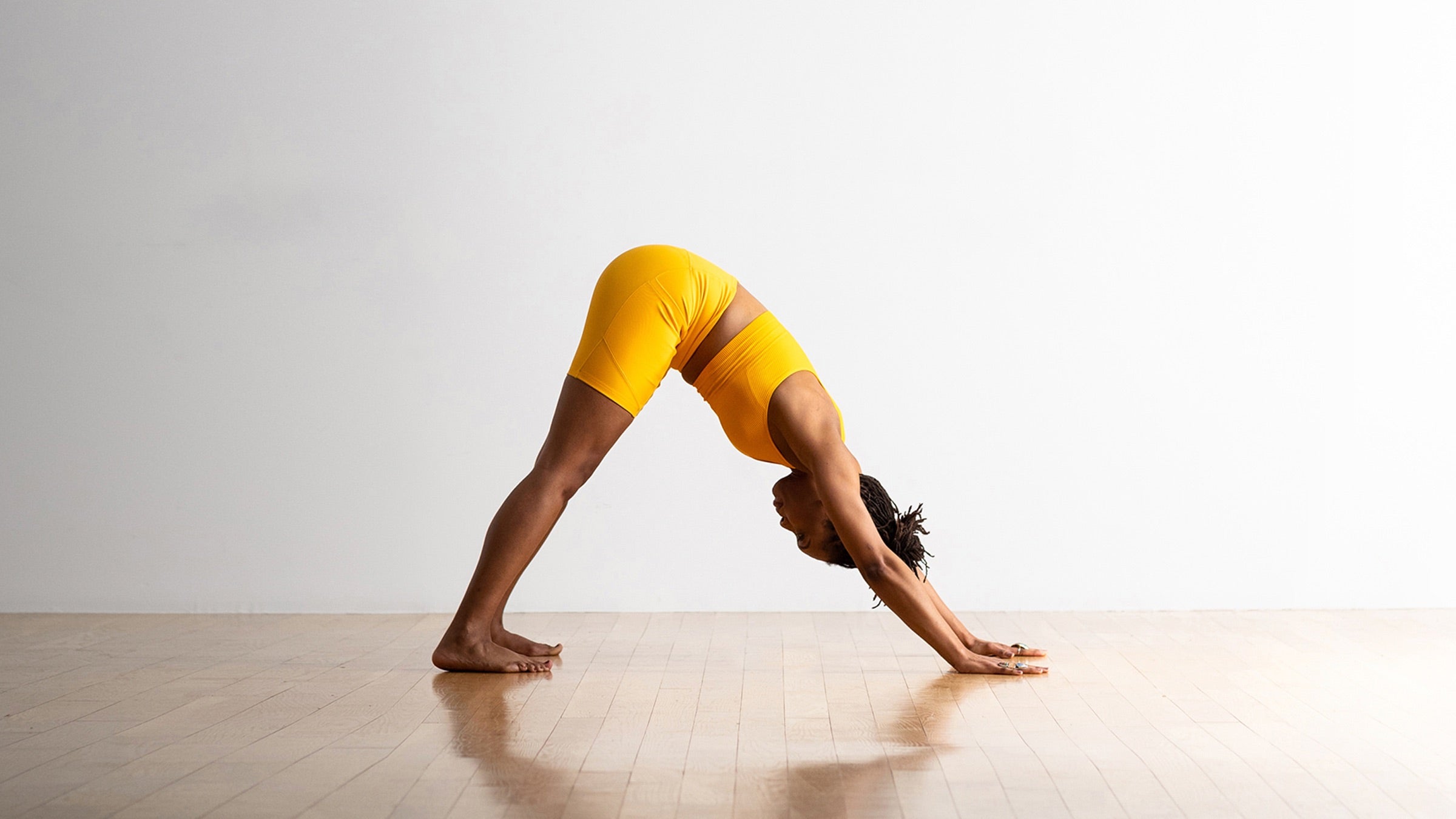
Downward-Facing Dog: How to Practice Adho Mukha Svanasana
From hands and knees, lift hips up and back, forming an inverted V. Press heels toward floor, straighten arms.
- Spread fingers wide for stability.
- Bend knees if hamstrings tight.
- Hold 5 breaths.
It builds arm strength and calms the mind. Common mistake: rounding back—keep spine long.
Warrior I (Virabhadrasana I)
This empowering stance builds leg strength and opens hips. I felt like a warrior conquering doubt in my first try, boosting confidence instantly.
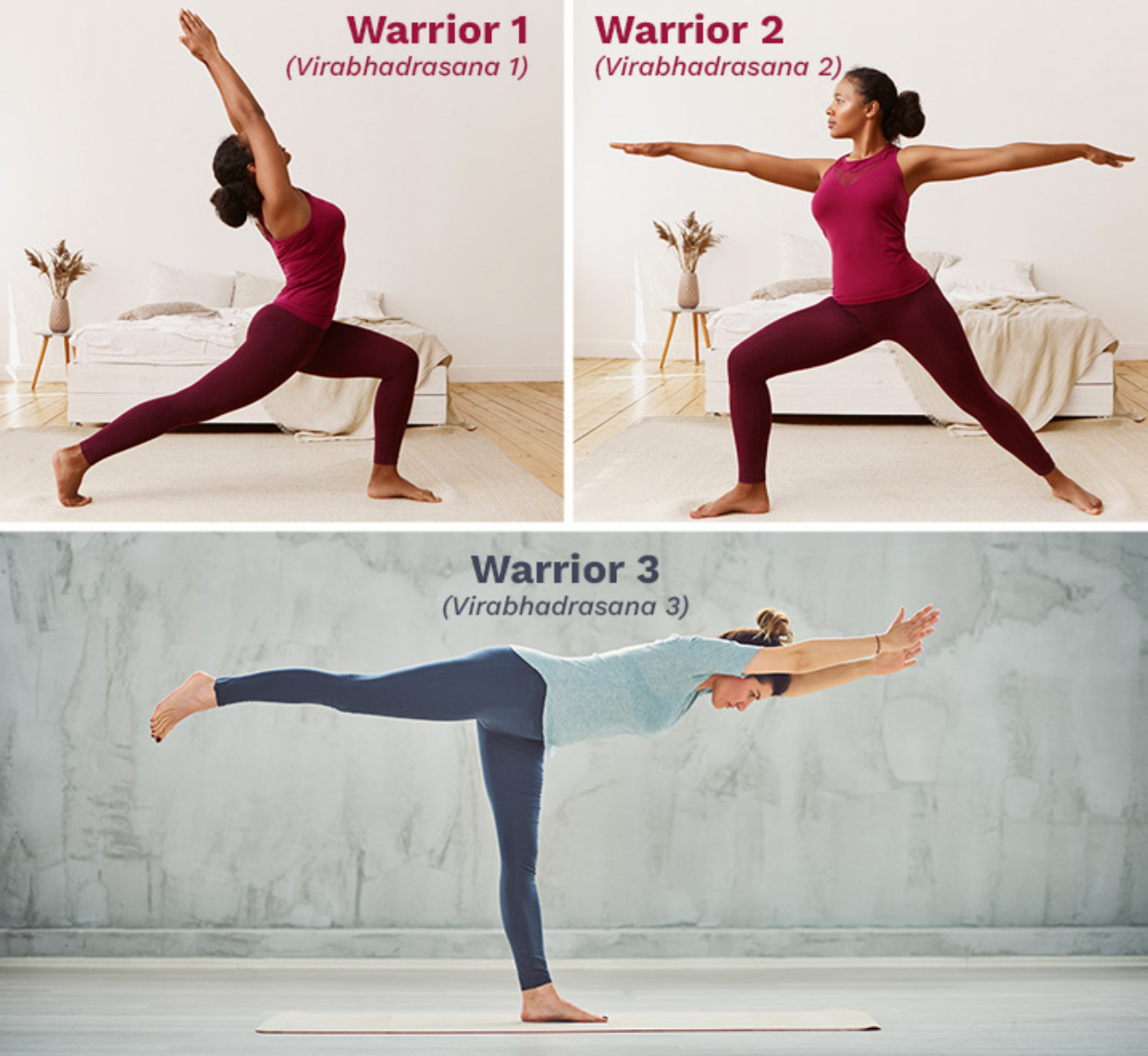
Warrior Pose: 3 Variants For Hip Flexibility and Fortitude – Sri Sri School of Yoga
Step one foot back, bend front knee 90 degrees, arms overhead. Square hips forward, gaze up.
- Keep back heel grounded.
- Align knees over ankles.
- Hold 3-5 breaths per side.
Enhances focus and stamina. Avoid knee strain by not lunging too deep.
Tree Pose (Vrksasana)
A balance challenge that sharpens concentration. Wobbling? I did too, giggling through falls until steadiness came.
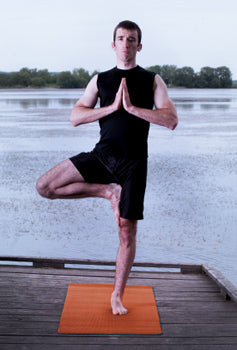
How to Do Tree Pose in Yoga – EverydayYoga.com
Stand on one leg, place opposite foot on inner thigh or calf, hands in prayer or overhead.
- Fix gaze on a point.
- Engage core for stability.
- Hold 20-30 seconds per side.
Improves proprioception. Mistake: foot on knee—avoid to protect joints.
Child’s Pose (Balasana)
A restorative gem for resting and stretching the back. It’s my sanctuary after tough days, melting away tension.
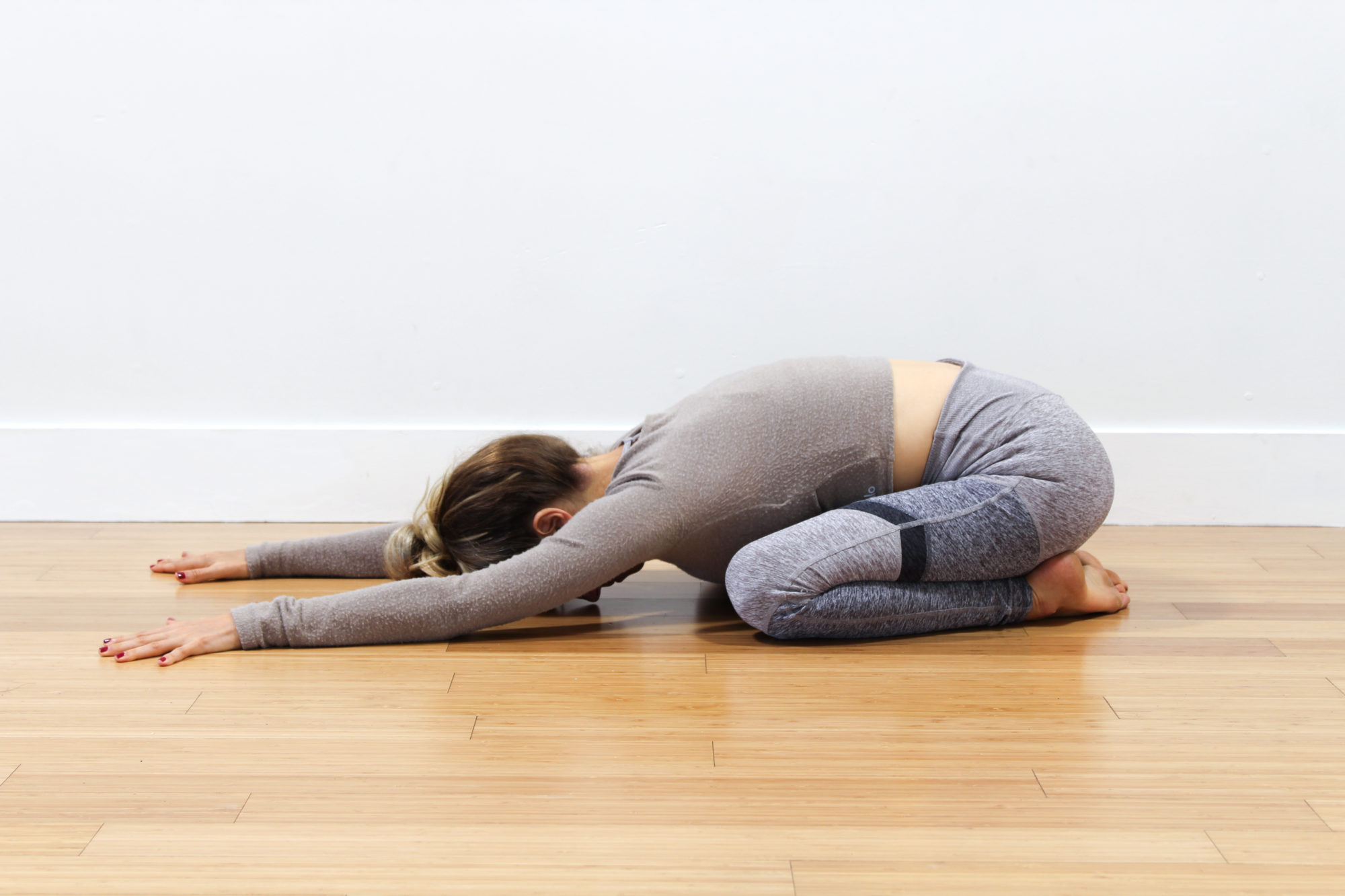
Child’s Pose aka BalasanaChild’s Pose – Balasana
Kneel, fold forward, arms extended or by sides, forehead to mat.
- Widen knees for comfort.
- Breathe deeply into back.
- Rest 1-3 minutes.
Relieves stress. Don’t force forehead down; use a block if needed.
Cat-Cow Pose (Marjaryasana-Bitilasana)
This dynamic duo warms the spine beautifully. Flowing through it loosened my stiff back from desk work.
:quality(85):extract_cover()/2025/01/10/960/n/1922729/tmp_TSf6dQ_46ee51111cabbf45_PS24_Fitness_CatCow_Horizontal.jpg)
How to Do Cat-Cow Pose, According to Experts | PS Fitness
On all fours, inhale to arch back (Cow), exhale to round (Cat).
- Sync with breath.
- Move gently.
- Repeat 5-10 rounds.
Boosts flexibility. Avoid crunching neck—keep it aligned.
Cobra Pose (Bhujangasana)
A gentle backbend that strengthens the spine. Lifting up felt vulnerable at first, but it built core power.

How to do Cobra Pose – Omstars
Lie prone, hands under shoulders, lift chest while keeping legs down.
- Press tops of feet down.
- Elbows close to body.
- Hold 15-30 seconds.
Opens chest. Mistake: over-lifting—use arms sparingly.
Triangle Pose (Trikonasana)
Stretches sides and legs while building stability. Reaching felt like embracing space, easing side tightness.
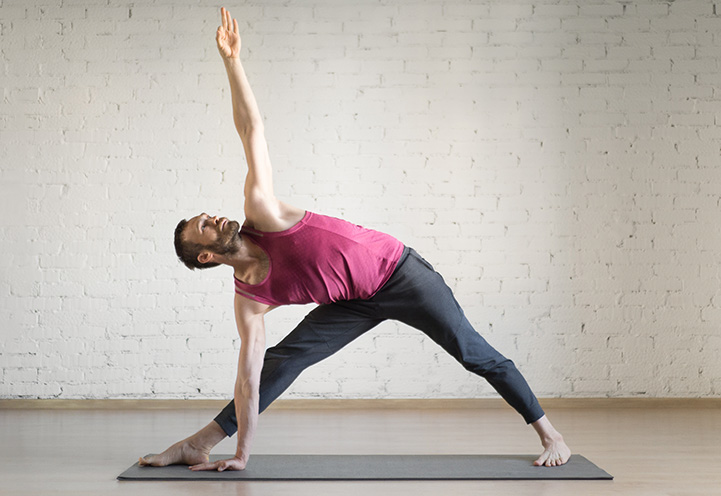
Triangle Pose: Improve Your Balance, Reduce Back Pain Today | The Art of Living
Step feet wide, reach one hand to shin or floor, other arm up.
- Keep chest open.
- Hips stacked.
- Hold 3 breaths per side.
Improves digestion. Don’t lock knees.
Bridge Pose (Setu Bandha Sarvangasana)
Lifts hips to strengthen glutes and core. It countered my sitting habits, alleviating lower back aches.

Bridge Pose: A Guide to Perfect Form & Alignment – Omstars
Lie on back, knees bent, lift hips toward ceiling.
- Squeeze glutes.
- Interlace hands under back.
- Hold 20 seconds.
Energizes thyroid. Avoid flattening neck.
Seated Forward Bend (Paschimottanasana)
A calming fold that stretches hamstrings. My tight legs protested, but patience brought relief.

Beginners Yoga: How to do Seated Forward Bend
Sit with legs extended, fold forward from hips.
- Hinge at hips, not round back.
- Use strap if needed.
- Hold 1 minute.
Calms nerves. Don’t pull with arms.
Corpse Pose (Savasana)
The ultimate relaxation, integrating practice. Lying still was hard amid my busy mind, but it taught surrender.
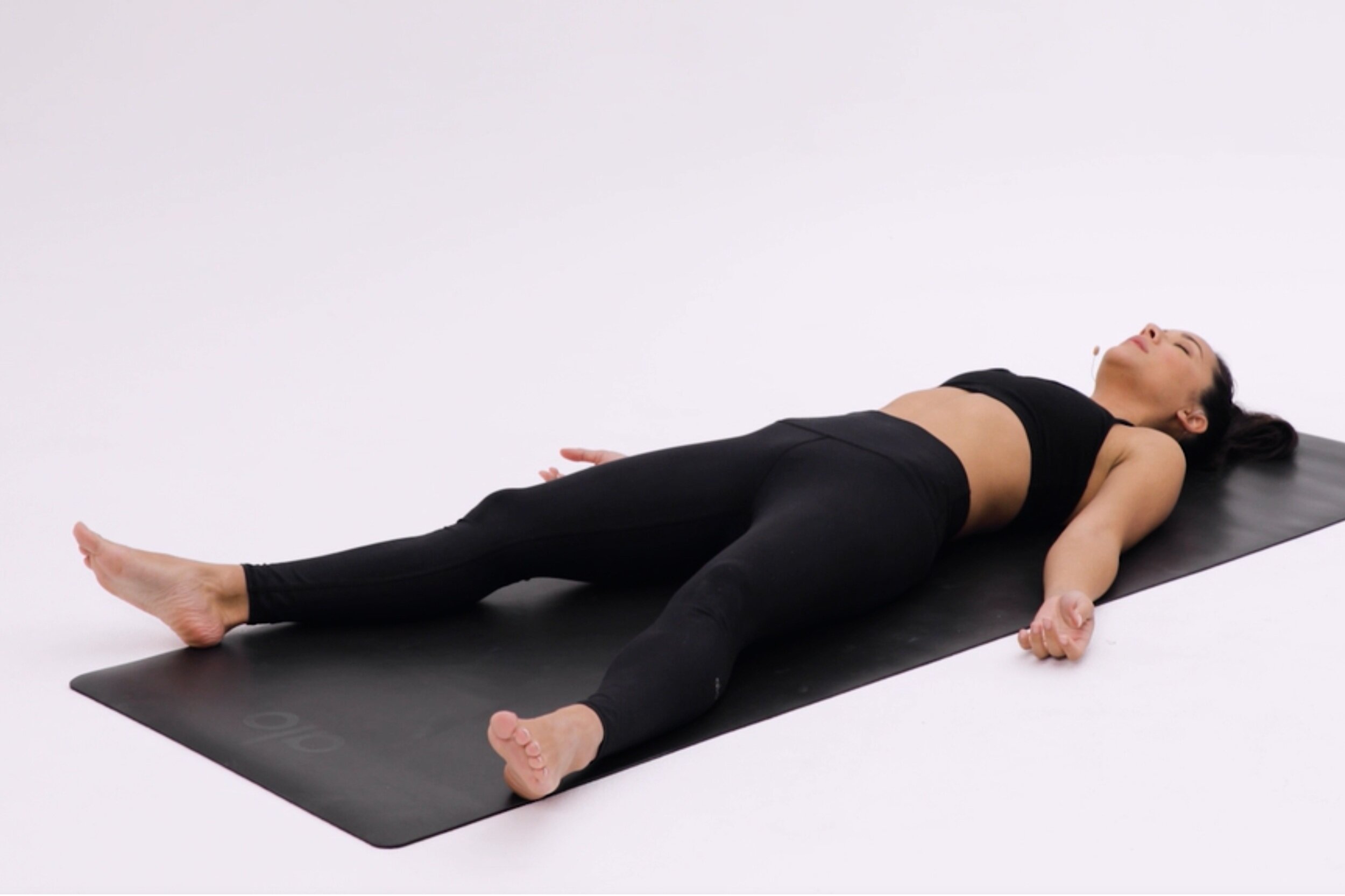
How to Do Corpse Pose (Savasana) – Yoga Tutorial — Alo Wellness Club | The Blog
Lie flat, palms up, eyes closed, breathe naturally.
- Scan body for tension.
- Stay 5-10 minutes.
Reduces anxiety. Avoid falling asleep.
Easy Pose (Sukhasana)
A seated meditation base. Crossing legs felt awkward initially, but it fostered inner peace.
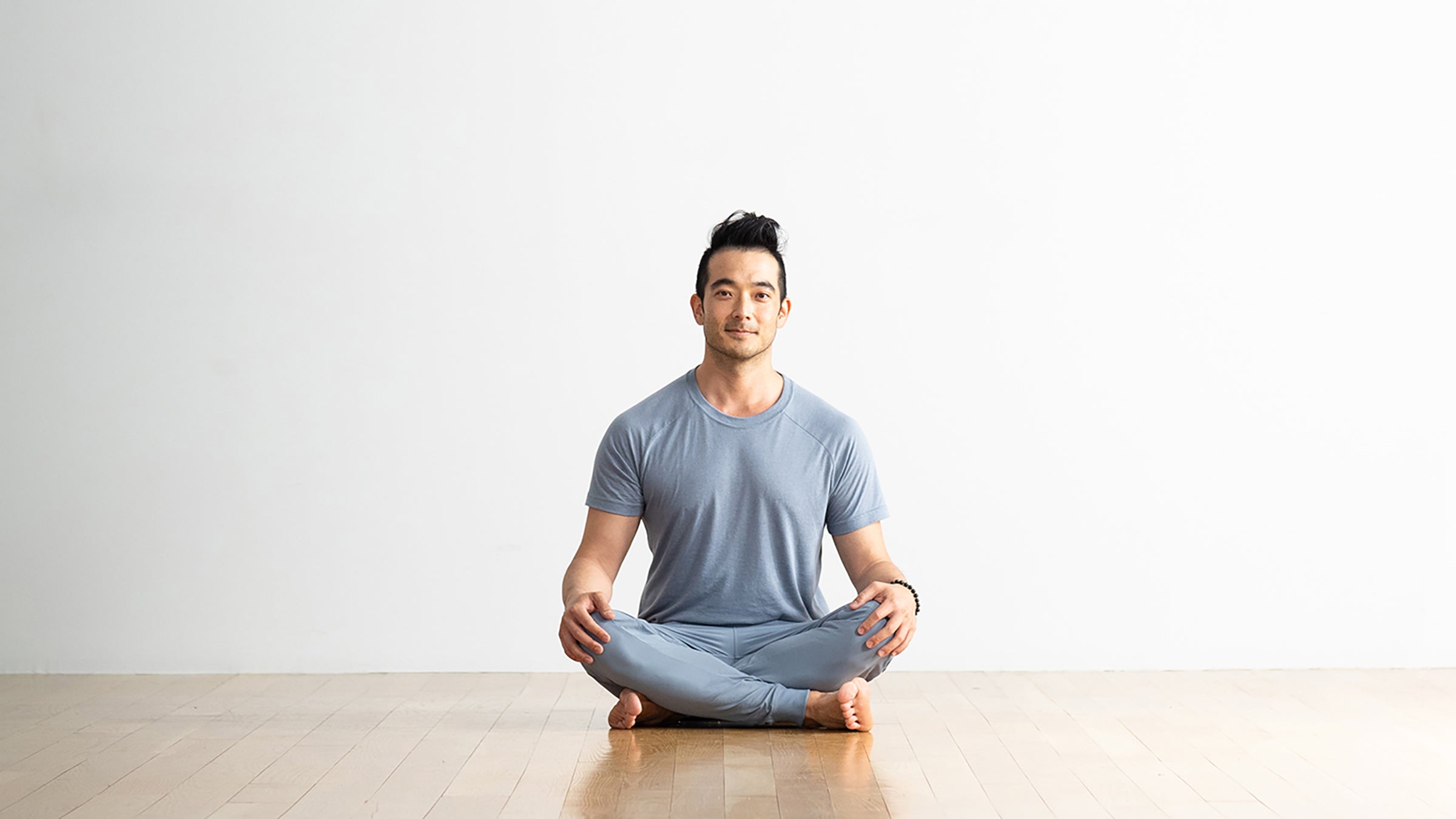
Easy Pose: How to Practice Sukhasana – Yoga Journal
Sit cross-legged, hands on knees, spine straight.
- Sit on blanket for height.
- Alternate leg cross.
- Meditate 2-5 minutes.
Enhances focus. Pad hips if uncomfortable.
Sequencing Your Practice
String poses into a 20-minute flow: Start in Mountain, flow to Downward Dog, add Warriors for strength, rest in Child’s, end with Savasana. This balances effort and ease.
- Warm-up: Cat-Cow.
- Standing: Tree, Triangle.
- Cool-down: Bridge, Forward Bend.
Personalize—my evening routine includes more restoratives for unwind.
Common Mistakes and How to Avoid Them
Beginners often rush breaths or force depth, leading to strain. I once hyper-extended elbows in Dog; now, I bend knees generously. Use props, breathe steadily, and skip if painful.
Pros of home practice: Convenience, no judgment. Cons: Missing cues—film yourself or join online.
| Home vs. Studio | Pros | Cons |
|---|---|---|
| Home | Flexible schedule, cost-free | Less guidance |
| Studio | Expert corrections, community | Travel, fees |
Studio for navigation: Search local via Yoga Journal.
People Also Ask
What are the easiest yoga poses for absolute beginners? Mountain, Child’s, and Easy Pose top the list for accessibility.
How often should beginners practice yoga? 3-5 times weekly, 15-30 minutes, to build habits without burnout.
Can yoga help with back pain for newcomers? Yes, poses like Cat-Cow and Cobra gently strengthen and stretch.
What if I can’t touch my toes in forward bends? Use props—progress comes with time.
Is yoga safe during pregnancy for beginners? Modified versions yes; consult a doctor.
(These draw from common queries on sites like Verywell Fit.)
FAQ
Q: What’s the best time for beginner yoga? A: Mornings energize; evenings relax. I prefer dawn for clarity.
Q: Do I need a teacher? A: Apps suffice initially, but classes refine form. Try free YouTube intros.
Q: How to modify for tight hamstrings? A: Bend knees in folds; use blocks. Patience is key—my flexibility grew slowly.
Q: Yoga vs. stretching: What’s the difference? A: Yoga adds breath and mindfulness; both build flexibility, but yoga holistically benefits mind-body.
Q: Best apps for guided beginner sessions? A: Down Dog or Yoga for Beginners—customizable and free trials.
Wrapping Up Your Yoga Journey
These 12 poses are your gateway to a lifelong practice. Start slow, celebrate small wins—like holding Tree without toppling—and watch transformation unfold. I went from stressed newbie to daily practitioner, finding joy in the journey. Link to advanced guides on Yoga Journal for more. Or explore mats at Amazon. Remember, yoga meets you where you are—breathe, move, and enjoy.