I remember the first time I really felt my voice get stuck—not just metaphorically, but like a literal knot in my throat during a heated family dinner. There I was, biting my tongue on something I desperately wanted to say, and later that night, my neck was killing me from all the tension. That’s when I dove deeper into yoga, discovering how the vishuddha chakra, that energy center right at the base of your throat, ties into how we express ourselves. It’s funny how something as simple as a stiff neck can signal you’re holding back your truth, right? In this article, we’ll explore exactly that: four powerful yoga poses that not only stretch your neck to release built-up stress but also help clear blockages in your throat chakra for better communication and self-expression. Whether you’re dealing with daily desk hunch or just want to speak up more confidently, these practices have been game-changers for me and countless others. We’ll cover the basics of the chakra, its benefits, step-by-step pose guides, and even some lifestyle tips to keep that energy flowing. Stick around—by the end, you might just find yourself chatting more freely, with a looser neck to boot.
What is the Vishuddha Chakra?
Picture this chakra as your personal megaphone for inner truth—it’s the fifth energy center in the traditional chakra system, often called the throat chakra for its spot right in the neck area. Rooted in ancient Hindu traditions, vishuddha means “pure” or “purification,” symbolizing how it filters your thoughts into clear, honest words. When balanced, it helps you communicate with authenticity, turning mumbled ideas into confident expressions that connect you deeper with yourself and others.
Location and Symbolism
Nestled at the base of your throat, near the thyroid gland, this chakra bridges your heart’s emotions with your mind’s wisdom, acting like a gateway for spiritual growth. Its symbol is a 16-petaled lotus in bright blue, representing the sky’s vast openness and the element of ether, which governs sound and vibration. I like to think of it as your soul’s voice box—when it’s open, your words flow like a gentle breeze, carrying purity and creativity without effort.
Signs of Imbalance
Ever catch yourself rambling endlessly or clamming up in conversations? Those could be red flags for an imbalanced vishuddha chakra, leading to physical woes like sore throats, jaw tension, or even thyroid issues. Emotionally, you might feel misunderstood, shy away from sharing ideas, or struggle with lies and half-truths that leave you disconnected. From my own slips, I’ve learned that ignoring these signs just amps up the frustration—better to address them head-on for that sweet sense of relief.
- Persistent neck stiffness or headaches that won’t quit.
- Difficulty listening or interrupting others mid-sentence.
- Feeling creatively blocked, like your ideas are trapped inside.
- Emotional outbursts or withdrawing from social chats.
Benefits of Clearing the Throat Chakra
Opening this chakra feels like unclogging a drain—suddenly, your words pour out smoothly, boosting confidence in everything from work meetings to heart-to-hearts with friends. It enhances creativity too, making it easier to write, sing, or brainstorm without second-guessing yourself. Physically, it eases neck and shoulder tension, promoting better posture and fewer aches from daily stress.
Here’s a quick table breaking down the perks:
| Benefit Category | Specific Advantages | How It Helps Daily Life |
|---|---|---|
| Emotional | Improved self-expression and reduced anxiety | Speak up in relationships without fear of judgment |
| Physical | Relieved neck pain and better thyroid function | Less stiffness after long hours at a desk |
| Mental | Enhanced focus and truthful thinking | Clearer decisions and honest self-reflection |
| Spiritual | Deeper connection to your authentic self | Feel more aligned with your life’s purpose |
Pros of regular chakra-clearing practices include heightened empathy and stronger bonds with others, but a con might be initial discomfort as old emotions surface—like that awkward phase when you’re learning to say “no” without guilt. Compared to ignoring it, though, the freedom far outweighs any temporary unease.
Preparing for Your Practice
Before jumping into these poses, set yourself up for success with a quiet space, a comfy mat, and maybe some soothing blue candles to vibe with the chakra’s color. Warm up with gentle neck rolls to avoid strain, and remember to breathe deeply—it’s all about ease, not forcing it. If you’re new or have neck issues, chat with a doc first; safety turns good intentions into lasting habits.
Essential Props and Tools
Grab a yoga block or bolster for support in backbends—they make poses accessible without overdoing it on your neck. A strap can help deepen stretches safely, especially if flexibility’s not your strong suit yet. For the best experience, I swear by a non-slip mat like those from Liforme (external link: https://liforme.com)—they keep you grounded during those tricky balances.
Safety Tips and Modifications
Listen to your body—if a pose pinches, back off and modify by using props or shortening hold times. Pregnant folks or those with high blood pressure might skip inversions; opt for gentler alternatives instead. I’ve tweaked poses plenty of times after a rough day, and it always keeps the practice enjoyable rather than a chore.
The 4 Yoga Poses to Clear Your Vishuddha Chakra
These four poses target the neck and throat directly, blending stretches with energy work to dissolve blockages and invite flow. Start slow, holding each for 30 seconds to a minute, and build up as you get comfy. I’ve woven in my favorites because they’ve helped me shake off that “stuck words” feeling more times than I can count.
Pose 1: Cat-Cow with Lion’s Breath (Marjaryasana-Bitilasana with Simhasana Variation)
This dynamic flow warms up your spine while the lion’s breath roar clears throat tension like a fun, primal yell. On all fours, alternate arching and rounding your back with deep inhales and exhales, then stick out your tongue on the out-breath for that extra chakra kick. It’s hilarious at first, but boy, does it free up your voice.
- Begin on hands and knees, wrists under shoulders, knees under hips.
- Inhale to cow: drop belly, lift head and tailbone.
- Exhale to cat: round spine, tuck chin.
- On next exhale, open mouth wide, stick out tongue, and roar like a lion.
Pros: Builds spinal flexibility and releases emotional buildup. Cons: Might feel silly if you’re practicing in public. Compared to static stretches, this one adds movement for quicker energy shifts.
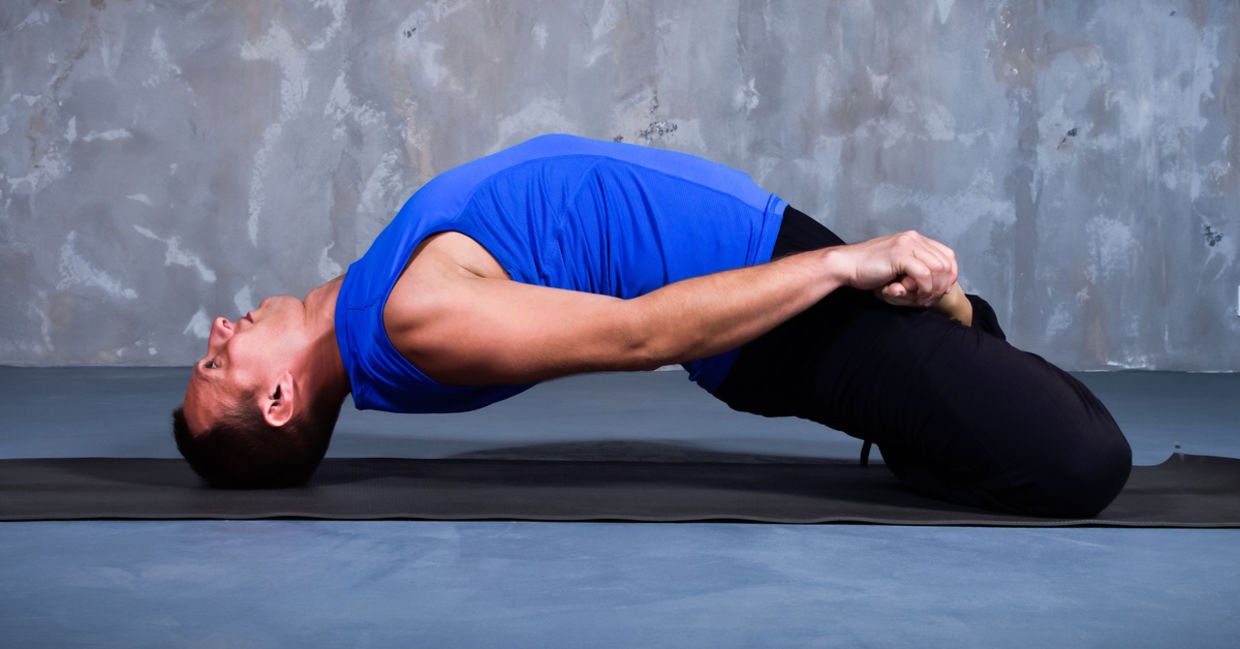
Pose 2: Fish Pose (Matsyasana)
Lying back in this heart-opener stretches the front of your neck deeply, countering slouchy postures and inviting vulnerability in expression. Supported versions make it beginner-friendly, and it’s my go-to after a long writing session when words feel jammed. Feel the expansion in your throat as you breathe—pure relief.
- Lie on your back, legs extended or bent.
- Lift hips slightly, slide hands under buttocks.
- Press forearms down, arch upper back, let head drop back gently.
- Hold, breathing steadily into the stretch.
Pros: Improves posture and boosts mood through chest opening. Cons: Avoid if you have neck injuries without props. It’s gentler than camel pose but offers similar throat benefits for less intensity.
Pose 3: Camel Pose (Ustrasana)
Kneeling back into camel opens your entire front body, stretching the neck while building strength—perfect for those who hold stress in their shoulders. I once did this after a tough conversation and felt like a weight lifted; it’s empowering. Modify by keeping hands on lower back if reaching heels feels too much.
- Kneel with knees hip-width, toes tucked or flat.
- Place hands on lower back, fingers down.
- Inhale, lift chest; exhale, lean back, reaching for heels.
- Drop head back if comfortable, gaze up.
Pros: Enhances communication skills over time. Cons: Can strain knees without padding. Versus bridge pose, camel targets the upper spine more directly for chakra work.
Pose 4: Plow Pose (Halasana)
This inversion flips your perspective, compressing the throat to stimulate energy flow and release toxins—think of it as a reset button for clarity. From shoulder stand, lower feet overhead; it’s intense but rewarding. I’ve used it to quiet mental chatter before big talks, emerging more focused.
- Lie on back, lift legs overhead into shoulder stand.
- Lower feet toward floor behind head, hands supporting back.
- Keep neck long, avoid turning head.
- Breathe deeply, hold briefly.
Pros: Calms the mind and aids digestion too. Cons: Not for high blood pressure; use wall support instead. It complements fish pose by offering the opposite action—compression after expansion.
Integrating Breath and Sound for Deeper Clearing
Pair these poses with ujjayi breath—that ocean-like sound in your throat—to amplify the chakra’s vibration and calm nerves. Chanting “ham” during holds adds a sonic layer, resonating directly with vishuddha. It’s like tuning a guitar; suddenly, everything harmonizes, making your practice more than physical.
Pranayama Techniques
Try alternate nostril breathing post-poses to balance energy sides, or lion’s breath standalone for quick releases. These build lung capacity while purifying the throat area. I’ve found them especially helpful on stressful days, turning frazzled thoughts into steady calm.
Daily Practices and Lifestyle Tips
Beyond the mat, journal your thoughts daily to exercise that expressive muscle—it’s like yoga for your mind. Sip herbal teas like chamomile to soothe the throat physically. Surround yourself with blue hues or wear turquoise jewelry for subtle reminders to speak truthfully.
- Eat blue foods: Blueberries or spirulina for symbolic nourishment.
- Practice active listening in convos to balance giving and receiving.
- Sing in the shower—humorously off-key is fine, it’s about vibration.
For tools, check out quality yoga mats from Manduka (external link: https://www.manduka.com) or apps like Insight Timer for guided sessions. If you’re looking for classes, local studios via Yoga Alliance (external link: https://www.yogaalliance.org) are great navigational spots. Transactionally, invest in a good bolster from Hugger Mugger—it’s a game-changer for supported poses.
Pros of daily integration: Sustained energy flow and fewer miscommunications. Cons: Takes consistency, but the payoff in confidence is huge. Compared to sporadic practice, routine builds lasting habits that transform how you connect.
People Also Ask
Drawing from common searches, here are real questions folks ask about throat chakra yoga, answered based on solid insights.
What yoga poses open the throat chakra?
Poses like fish, camel, and plow are top picks as they stretch and stimulate the neck area, promoting energy flow for better expression. They’re accessible with modifications and pair well with breathwork for maximum impact.
How do you unblock your throat chakra fast?
Quick fixes include lion’s breath or chanting “ham” while in cat-cow— these release tension immediately, though consistent practice yields lasting results. Combine with affirmations like “I speak my truth” for an emotional boost.
What blocks the throat chakra?
Emotional suppression, like not voicing needs, or physical habits such as poor posture can clog it, leading to symptoms like sore throats or shyness. Stress and toxic relationships often play a role too.
What emotion is tied to the throat chakra?
It’s linked to authenticity and communication fears—blocked, it stirs frustration or isolation; open, it fosters joy in sharing your true self. Think of it as the seat of your inner voice’s emotional freedom.
FAQ
Can beginners do these throat chakra poses?
Absolutely—start with modifications like using blocks in fish pose, and build gradually. I’ve seen newbies transform their confidence with just a few sessions.
How often should I practice to see benefits?
Aim for 3-4 times a week, 20-30 minutes each; consistency beats intensity. In my routine, even short daily stretches keep the energy humming.
What if I have neck pain already?
Consult a healthcare pro first, then opt for gentler variations or restorative poses. Props help avoid aggravation while still clearing energy.
Are there foods that support the throat chakra?
Yes, hydrating fruits like pears or apples, plus herbal teas, nourish it. Avoid dairy if it causes mucus buildup, as clarity starts from within.
How does throat chakra work tie into overall wellness?
It connects emotional expression with physical health, reducing stress-related issues. Balancing it often ripples into better relationships and self-esteem.
Wrapping up, these poses aren’t just stretches—they’re invitations to live more openly. I recall emerging from a camel pose session feeling ready to tackle a long-overdue chat, neck loose and words flowing. Give them a try; your voice (and neck) will thank you. For more on chakras, explore internal links to heart chakra practices or root grounding tips. Stay true, stay stretched.