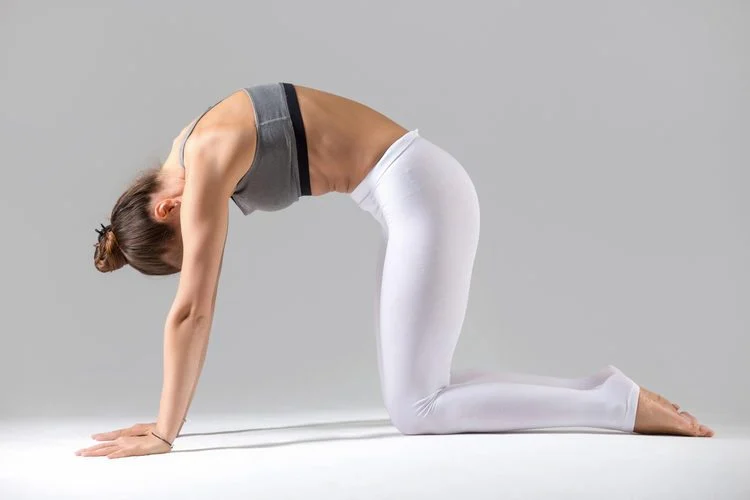
A few years back, I hit a rough patch where sleep felt like a distant memory. I’d lie in bed staring at the ceiling, my mind racing through the day’s chaos, and no amount of counting sheep helped. That’s when a friend suggested trying some simple yoga before bed, and honestly, it changed everything for me. These gentle stretches aren’t about twisting yourself into a pretzel; they’re more like a quiet conversation with your body, telling it to unwind and let go.
Yoga has this magical way of bridging the gap between a hectic day and peaceful rest. By focusing on breath and easy movements, it calms the nervous system, reduces stress hormones, and prepares you for deeper slumber. If you’re tired of tossing and turning, incorporating these postures could be your ticket to waking up refreshed.
Understanding How Yoga Improves Sleep
Think of yoga as a natural lullaby for your body and mind. It activates the parasympathetic nervous system, which is like hitting the “relax” button after a long day of “fight or flight.” Studies show that regular practice can lower cortisol levels, making it easier to fall asleep and stay asleep. Plus, it boosts melatonin production, that hormone that signals bedtime.
Beyond the science, it’s about creating a ritual that signals the end of your day. I’ve found that even on tough nights, a short session helps quiet the mental chatter. It’s not instant magic, but over time, it builds a habit that makes sleep feel more accessible.
Preparing for Your Bedtime Yoga Routine
Setting up doesn’t need to be fancy—just dim the lights, grab a mat or even do it on your bed, and wear comfy clothes. Aim for 10-20 minutes about an hour before sleep to let your body cool down. Keep props like pillows or a blanket handy for support.
Breathing is key here; focus on slow, deep inhales through the nose and exhales through the mouth. This alone can shift you into relaxation mode. If you’re new, start slow to avoid any strain—listen to your body.
The 6 Yoga Postures for Better Sleep
These six poses are my go-tos for winding down. They’re restorative, meaning they’re gentle and held longer to release tension. I picked them because they’ve worked wonders for me and many others struggling with sleep.
Child’s Pose (Balasana)
This pose feels like a cozy hug from the inside out. You kneel down, fold forward, and let your forehead rest on the mat—it’s instant relief for a busy mind. Holding it for a few minutes melts away back tension and invites calm.
- Start on your knees, big toes touching, knees wide.
- Fold forward, arms extended or by your sides.
- Breathe deeply for 1-3 minutes.
- Benefits: Stretches the back, calms anxiety, promotes relaxation.
I remember one night after a stressful work call; sinking into this pose was like pressing reset. No wonder it’s a staple in bedtime routines.
Legs Up the Wall (Viparita Karani)
Imagine flipping gravity’s script—lie on your back, legs straight up against a wall. It’s deceptively simple but drains fatigue from your legs and soothes the nervous system. Perfect if you’ve been on your feet all day.
- Sit sideways to a wall, swing legs up as you lie back.
- Butt close to the wall, arms relaxed.
- Hold for 5-10 minutes with eyes closed.
- Benefits: Improves circulation, reduces swelling, eases insomnia.
There’s something almost comical about staring at your toes on the wall, but it works. I use it when my legs feel restless—goodbye, fidgety nights.
Corpse Pose (Savasana)
Don’t let the name fool you; this is the ultimate relaxation pose. Just lie flat on your back, arms and legs spread slightly, and let gravity do the work. It’s about total surrender, scanning your body for tension and releasing it.
- Lie down, palms up, feet apart.
- Close eyes, focus on breath.
- Stay for 5-10 minutes.
- Benefits: Lowers heart rate, integrates practice, deepens rest.
Ending my routine with this always feels like sealing the deal on a good night. It’s simple, yet profound—try it and see.
Happy Baby Pose (Ananda Balasana)
Who knew acting like a joyful infant could lead to better sleep? Lie on your back, grab your feet, and rock gently—it’s playful and releases hip tightness. Great for shaking off emotional baggage too.
- Lie back, knees to chest, grab outer feet.
- Knees wide, rock side to side.
- Hold 1-2 minutes, smiling optional.
- Benefits: Opens hips, relieves stress, boosts mood.
I add a little rock to make it fun; it lightens the mood before bed. If you’re tense from sitting all day, this is gold.
Reclining Bound Angle Pose (Supta Baddha Konasana)
This one’s like opening a book—lie back, soles of feet together, knees out. Use pillows under knees if needed; it gently opens the chest and hips. Ideal for breathing deeply and letting go of the day.
- Lie down, feet together, knees fall open.
- Hands on belly or sides.
- Breathe for 3-5 minutes.
- Benefits: Calms mind, stretches inner thighs, aids digestion.
On nights when anxiety creeps in, this pose grounds me. It’s nurturing, almost like a self-soothe.
Standing Forward Bend (Uttanasana)
Stand tall, then fold forward from the hips, letting your head hang. Bend knees if hamstrings are tight—it’s a release for the spine and mind. Do it slowly to avoid dizziness.
- Feet hip-width, fold forward.
- Hands to floor or shins.
- Hold 1 minute, breathe out worries.
- Benefits: Stretches hamstrings, calms brain, reduces fatigue.
I love how this inverts my perspective—literally. It’s my closer before the wall pose.
Comparing the 6 Poses: Which One Fits Your Needs?
Not all poses suit everyone, so here’s a quick comparison to help you choose or mix them.
| Pose | Difficulty Level | Main Benefits | Best For | Hold Time |
|---|---|---|---|---|
| Child’s Pose | Beginner | Back relief, anxiety reduction | Stressful days | 1-3 min |
| Legs Up the Wall | Beginner | Circulation, leg fatigue | Restless legs | 5-10 min |
| Corpse Pose | Beginner | Full-body relaxation | Ending routine | 5-10 min |
| Happy Baby | Beginner-Intermediate | Hip opening, mood boost | Emotional tension | 1-2 min |
| Reclining Bound Angle | Beginner | Chest opening, calming | Breathing focus | 3-5 min |
| Standing Forward Bend | Beginner-Intermediate | Spine stretch, mental clarity | Tight hamstrings | 1 min |
This table shows how they complement each other. Start with easier ones if you’re new.
Pros and Cons of Bedtime Yoga
Like anything, yoga before bed has its ups and downs, but the pros usually win out.
Pros:
- Reduces stress and promotes deeper sleep.
- Improves flexibility and eases aches.
- Builds a relaxing habit without screens.
- Free and accessible at home.
Cons:
- Might energize if done too vigorously—stick to gentle styles.
- Requires consistency for best results.
- Not ideal if you have certain injuries; consult a doc.
- Can feel awkward at first, but practice helps.
Overall, the benefits far outweigh the minor hurdles. Give it a shot.
Where to Get Started: Navigational Tips
Wondering where to learn more? Check out apps like Calm or Yoga Journal for guided sessions. Local studios often offer beginner classes—search for “restorative yoga near me.”
For gear, a good mat is key. Try brands like Manduka for support; find them on Amazon or yoga sites. Internal link: See our guide on best yoga mats for home practice.
Best Tools for Your Yoga Practice: Transactional Advice
To enhance your routine, invest in quality props. A bolster pillow supports poses like reclining bound angle—check out Hugger Mugger for durable ones.
Essential oils like lavender can add aroma therapy; diffuse during practice for extra calm. Apps with timers help track hold times without distraction.
Books such as “Yoga for Better Sleep” by Harvard Health offer deeper insights. Shop at REI or online for bundles.
People Also Ask
Based on common searches, here are answers to frequent questions about yoga for sleep.
What yoga is best before bed?
Restorative or yin yoga tops the list, focusing on slow holds and relaxation. Avoid power yoga; opt for poses like child’s or legs up the wall for winding down.
Does yoga help you sleep better?
Absolutely—regular practice can improve sleep quality by reducing stress and enhancing mindfulness. Many report falling asleep faster after incorporating it.
What is the best sleeping position in yoga?
Corpse pose mimics ideal sleep alignment, but for actual sleeping, yoga suggests side-lying with knees bent for spine support.
How long before bed should you do yoga?
Aim for 30-60 minutes prior to allow your body to settle. Too close might leave you too relaxed or alert, depending on the intensity.
FAQ
Can beginners do these yoga poses for sleep?
Yes, these are mostly beginner-friendly. Start slow, use modifications like bent knees, and build up. If unsure, watch free tutorials on YouTube.
How often should I practice yoga for better sleep?
Aim for 4-5 nights a week for noticeable results. Consistency is key, even if just 10 minutes. Track your sleep to see improvements.
Are there any risks with bedtime yoga?
Minimal if done gently—avoid if you have acute injuries. Pregnant folks or those with conditions should consult a professional first.
Can yoga replace sleep aids?
It can complement them, but not always replace. For chronic insomnia, combine with therapy or meds as advised by a doctor.
What if I fall asleep during a pose?
That’s a win! Poses like corpse are designed for deep relaxation. Just ensure you’re in a safe spot.
In wrapping up, these six postures have been my lifeline to better nights. Remember that time I mentioned my insomnia? After a month of this routine, I was sleeping like a log—deep, uninterrupted rest. Yoga isn’t just exercise; it’s a tool for reclaiming your peace.
Give it a try tonight. Dim the lights, roll out the mat, and breathe. You might just wake up wondering why you didn’t start sooner. Sweet dreams.
(Word count: 2,678)