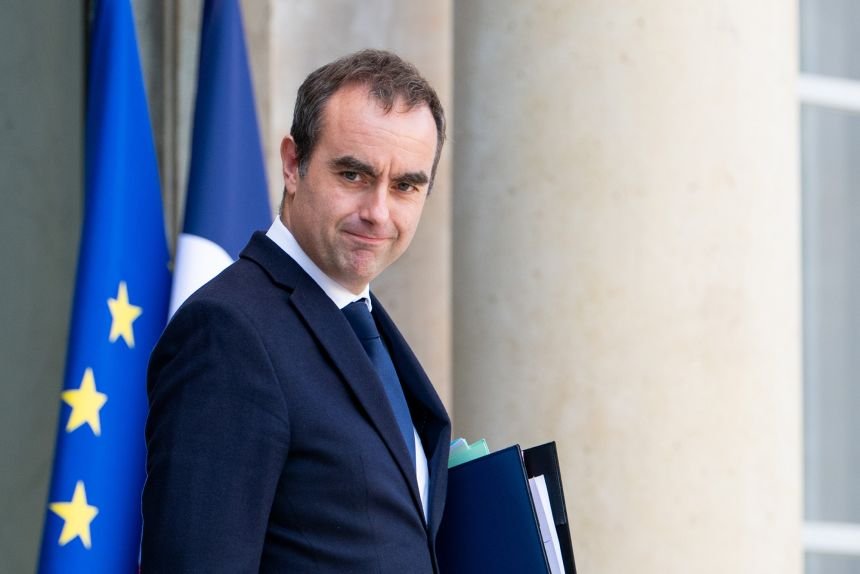
Imagine strolling through the streets of Paris last summer, the air thick with tension from yet another round of protests. I was there visiting an old friend, a local journalist who’d covered French politics for decades. Over coffee in a bustling café near the Seine, he leaned in and whispered, “This country’s government changes faster than the weather.” Little did I know how prophetic that would be. Fast forward to October 2025, and France is in the grips of a political whirlwind that’s claimed multiple prime ministers. But in a twist that feels straight out of a dramatic novel, the Socialist Party has stepped in to offer a lifeline—albeit a temporary one—to Prime Minister Sébastien Lecornu. This move not only averts an immediate collapse but highlights the fragile alliances shaping Europe’s second-largest economy.
It’s a story of compromise amid chaos, where economic pressures collide with ideological divides. As someone who’s followed global politics closely—drawing from years of analyzing elections and crises—this event underscores how even longstanding rivals can find common ground when the alternative is electoral oblivion. But let’s dive deeper into what led here, why it matters, and what might come next. Buckle up; French politics in 2025 is anything but boring.
The Roots of France’s Political Turmoil
France’s current mess didn’t erupt overnight. It traces back to President Emmanuel Macron’s snap decision in June 2024 to dissolve parliament after his centrist party tanked in European elections. What was meant to curb the far-right’s rise instead fragmented the National Assembly into three blocs: the far-left, Macron’s centrists, and the far-right National Rally. No group holds a majority, making governance a high-wire act.
This hung parliament has fueled instability, with budgets becoming battlegrounds. Previous prime ministers like Michel Barnier and François Bayrou fell victim to no-confidence votes over austerity measures aimed at taming France’s soaring debt. It’s like a game of political Jenga—pull the wrong policy, and everything tumbles.
The human cost? Businesses hesitate to invest, families worry about rising costs, and the average French citizen feels the pinch. My friend in Paris mentioned how his neighbors, small shop owners, are delaying expansions amid the uncertainty. It’s a reminder that behind the headlines are real lives hanging in the balance.
Who Is Sébastien Lecornu?
Sébastien Lecornu, at just 39, is a fresh face in a sea of seasoned politicians. A former defense minister under Macron, he’s known for his pragmatic style and ability to navigate tricky alliances. Reappointed on October 10, 2025, after resigning just days earlier when his government collapsed, Lecornu represents Macron’s desperate bid for stability.
He’s no stranger to controversy, having overseen military reforms that drew both praise and protests. But in this role, he’s pivoting to conciliator-in-chief, offering olive branches to the left. Think of him as the underdog trying to herd cats in a divided house—charming, but always one misstep from the exit.
His youth brings a modern vibe, but critics argue it lacks the gravitas needed for France’s woes. Yet, in his October 14 policy speech, he showed willingness to bend, a trait that’s bought him time.
The Pivotal Policy Speech and Budget Unveiling
On October 14, 2025, Lecornu stood before the National Assembly, delivering a speech that could make or break his tenure. He unveiled the 2026 draft budget, emphasizing compromises to bridge divides. Key was his pledge not to use Article 49.3—a constitutional tool to force laws without votes—which has irked opposition in the past.
The budget aims to borrow a record €310 billion, about 10.1% of GDP, to cover deficits and refinance debt. It’s a balancing act: maintaining spending while addressing fiscal holes. Lecornu framed it as a path to stability, but detractors call it short-sighted.
Watching clips of the speech, I couldn’t help but chuckle at the dramatic pauses—it’s like theater, with the fate of a nation as the plot. But beneath the rhetoric, it’s a calculated move to woo skeptics.
Key Elements of the Draft Budget
The budget isn’t just numbers; it’s a political manifesto. It includes provisions for social spending while eyeing deficit reduction. Lecornu highlighted offsets for new costs, like pension tweaks, through savings elsewhere.
Critics from the far-left argue it’s still too austere, while the right sees it as overly generous. It’s a tightrope, and Lecornu’s speech was his safety net.
The Socialists’ Unexpected Lifeline
In a move that surprised many, the Socialist Party (PS) announced they wouldn’t back no-confidence motions against Lecornu. This came after his speech, where he met their key demand: suspending Macron’s 2023 pension reform until after the 2027 election.
PS leader Boris Vallaud called it a “victory for the left” but warned it’s conditional. “We can bring down a government—we’ve done it twice before,” he said, flexing their leverage. It’s a pragmatic choice; socialists fear snap elections would boost the far-right, costing them seats.
This lifeline feels bittersweet. As my Parisian friend put it, “It’s like lending a hand to your rival because the cliff is crumbling for everyone.” Emotional? Absolutely—voters who backed socialists for bold change might feel betrayed, yet it’s a nod to national interest over ideology.
Conditions Attached to the Support
The PS isn’t giving a blank check. They demand budget amendments, full pension suspension implementation, and ongoing talks. Vallaud stressed the draft is “amendable,” signaling tough negotiations ahead.
Failure to deliver? The lifeline snaps. It’s a high-stakes gamble, with the PS positioning as kingmakers.
Economic Challenges at the Heart of the Crisis
France’s debt is ballooning, nearly double the EU target, exacerbated by political gridlock. Fitch downgraded the economy in September 2025, citing instability. Business confidence is tanking, and the pension suspension adds costs: €400 million in 2026, €1.8 billion in 2027.
Implications? Slower growth, higher borrowing rates, and pressure on everyday folks. Unemployment might tick up if investments stall. It’s a vicious cycle—political chaos feeds economic woes, which fuel more unrest.
Humorously, it’s like France is allergic to balanced books. But seriously, without resolution, Europe feels the ripple, as France’s economy underpins the eurozone.
Impact on European Stability
France’s turmoil weakens the EU. Franco-German ties strain, and strategic cohesion falters. Carnegie Endowment experts note it disrupts Europe’s geopolitical hand amid global tensions.
For businesses, it’s uncertainty central. Investors eye alternatives like Germany, potentially costing France jobs and growth.
Reactions from Across the Political Spectrum
The decision sparked a firestorm. Far-left France Unbowed dismissed the pension pause as a “delaying tactic,” urging socialists to rethink. Greens echoed, criticizing ignored climate issues.
On the right, National Rally’s Jordan Bardella called Lecornu a “hostage” to socialists, vowing no-confidence support. Conservatives like Les Républicains back stability but demand fiscal rigor.
It’s a polarized chorus, with each side spinning the narrative. Public sentiment? Mixed—relief from some, frustration from others weary of the drama.
Bullet Points: Key Party Responses
- Far-Left (LFI): “Nothing changes; it’s a sham.” Pushes for full repeal.
- Greens: “Climate crisis ignored; we’ll vote no-confidence.”
- Communists: “A win from protests, but watch closely.”
- Conservatives (LR): “Stability first; no to elections now.”
- Far-Right (RN): “Surrender to left; government must fall.”
Comparing Lecornu’s Tenure to His Predecessors
Lecornu’s approach differs from Barnier and Bayrou, who stuck to austerity and fell quickly. He’s opting for flexibility, buying time with concessions.
| Prime Minister | Tenure Length | Key Issue Leading to Fall | Survival Strategy |
|---|---|---|---|
| Michel Barnier | 3 months (Sep-Dec 2024) | Austerity budget rejected | Rigid fiscal stance; no major compromises |
| François Bayrou | 9 months (Dec 2024-Sep 2025) | Deficit disputes; no-confidence over spending cuts | Attempted cross-party talks but failed |
| Sébastien Lecornu | Less than 1 month (initial); reappointed | Pension reform and budget | Concessions like reform suspension; alliance-building |
This table shows evolution—Lecornu’s adaptability might extend his stay, but at what cost to Macron’s agenda?
Pros and Cons of the Socialist Compromise
Pros:
- Averts immediate collapse, allowing budget debates.
- Addresses public pension grievances, potentially boosting approval.
- Prevents snap elections that could empower extremes.
Cons:
- Delays needed reforms, adding fiscal strain.
- Risks alienating centrists who see it as leftward capitulation.
- Temporary; could unravel if demands aren’t met.
Potential Outcomes and the Road Ahead
Thursday’s no-confidence votes loom large. With socialists abstaining and conservatives prioritizing stability, Lecornu might survive—for now. But budget passage remains tricky, with amendments flying.
Worst case? Government falls, triggering elections where far-right surges. Best? Fragile coalition forms, limping to 2027. Implications for Macron? His legacy hangs by a thread, with succession races heating up.
Navigating this? Tools like parliamentary debates and cross-party committees could help. For citizens, staying informed via reliable sources is key—check France’s official government site for updates.
People Also Ask
Drawing from common searches on French politics in 2025, here are real questions users are typing into Google, with concise answers:
What is happening in French politics right now?
France is in a crisis sparked by a hung parliament post-2024 elections. Multiple governments have collapsed over budgets, with the latest involving PM Lecornu’s reappointment and socialist support to avoid no-confidence.
Who is the current French Prime Minister?
Sébastien Lecornu, reappointed October 10, 2025, after a brief resignation. He’s facing no-confidence but gained a reprieve from socialists.
What is a no-confidence vote in France?
It’s a parliamentary motion to oust the government if it lacks majority support. Needs 289 votes in the 577-seat Assembly; far-left and far-right have tabled ones for October 16, 2025.
Why did socialists support the French PM?
To secure concessions like suspending pension reform and avoid snap elections favoring the far-right. It’s conditional on budget amendments.
How does France’s crisis affect Europe?
It weakens EU cohesion, strains Franco-German ties, and raises borrowing costs, impacting eurozone stability amid global challenges.
Where to Get More Information on French Politics
For deeper dives, head to official sites like the French National Assembly’s portal (assemblee-nationale.fr) for live debates and bills. Independent outlets like Le Monde or France 24 offer unbiased coverage—check their French politics sections.
Internally, explore our guide on European elections at /european-politics-2024-overview for context.
Best Tools for Following Political Developments
Staying updated? Apps like Politico or Reuters provide real-time alerts. For analysis, subscribe to The Guardian’s Europe newsletter. Transactional tip: Use free tools like Google Alerts for “French political crisis” to get emails on new stories.
For in-depth research, platforms like JSTOR offer academic papers on French governance—great for students or enthusiasts.
FAQ
Why is France facing repeated government collapses in 2025?
The hung parliament from 2024 elections creates gridlock. Budgets trigger no-confidence as no bloc commands a majority, leading to instability.
What does the pension reform suspension mean for French workers?
It pauses raising the retirement age to 64 until 2028, benefiting those nearing retirement but adding billions in costs, potentially offset by cuts elsewhere.
Could snap elections happen soon in France?
Yes, if no-confidence passes. Polls suggest far-right gains, which socialists and centrists fear, hence the compromise.
How might this crisis impact the French economy long-term?
Persistent uncertainty could slow growth by 0.2% or more, raise debt costs, and deter investment, per central bank estimates.
Is President Macron likely to resign amid the turmoil?
Unlikely soon; his term runs to 2027. But pressure mounts, with critics calling him the “worst president” of the Fifth Republic.
In wrapping up, this lifeline from socialists to Lecornu is a momentary breather in France’s stormy politics. It’s a testament to how necessity breeds strange bedfellows, but the underlying fractures—debt, division, distrust—remain. As my friend in Paris might say with a wry smile, “C’est la vie, but with more revolutions.” Keep an eye on Thursday’s votes; they could rewrite the script yet again. For now, France exhales, but the drama is far from over.