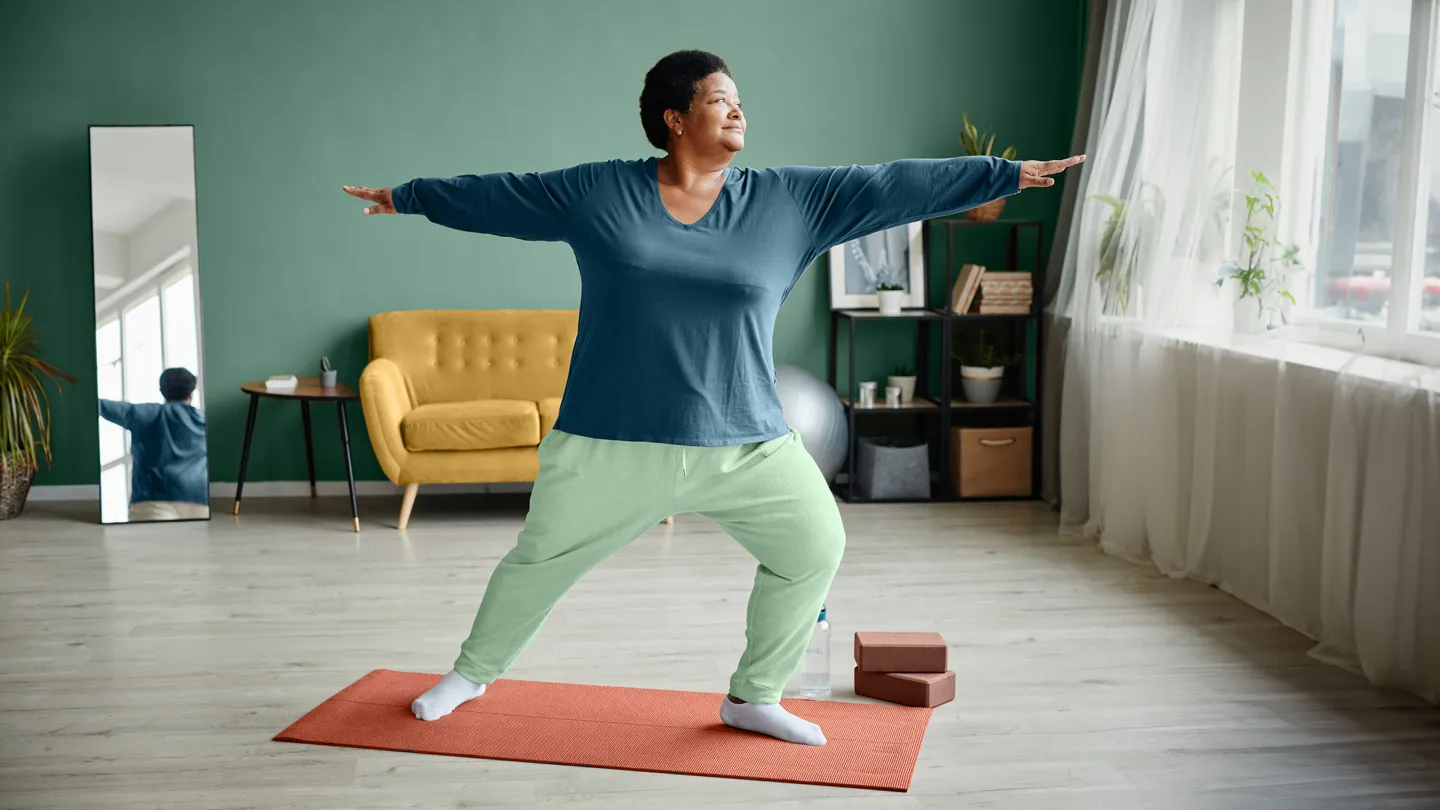
Picture this: It’s a rainy Tuesday evening, and I’m staring at my living room floor, unrolling a borrowed mat that smells faintly of lavender and regret. That was me, five years ago, dipping my toes into yoga for the first time after a friend swore it would melt away my desk-job stress. I fumbled through poses, laughed at my wobbly balance, and somehow ended up feeling more alive than I had in months. If you’re here reading this, maybe you’re at that same starting line—curious, a bit intimidated, but ready to give it a shot. Yoga isn’t just about twisting into pretzels; it’s a gentle path to better health, clearer mind, and that inner calm we all crave. In this guide, we’ll walk through everything you need to know as a beginner, from the basics to getting started at home. Stick with me, and by the end, you’ll feel equipped to roll out your own mat.
What is Yoga?
Yoga is an ancient practice originating from India over 5,000 years ago, blending physical postures, breathing techniques, and meditation to harmonize body and mind. It’s not a religion but a holistic approach to wellness that anyone can adapt. For beginners, it starts simple—focusing on breath and basic movements to build awareness.
At its core, yoga means “union” in Sanskrit, connecting your breath with movement to foster presence. Unlike high-intensity workouts, it’s low-impact, making it ideal for all ages. Think of it as a personal reset button for your day.
Benefits of Yoga for Beginners
Starting yoga can transform how you feel in subtle yet powerful ways. From my experience, those early sessions helped me sleep better and handle stress without reaching for coffee. Research backs this up, showing yoga boosts flexibility, strength, and mental clarity.
Physically, it improves balance and posture, reducing the risk of injuries in daily life. Emotionally, it lowers anxiety by encouraging mindfulness, like a mini vacation for your brain. Beginners often notice quicker results in mood and energy levels.
Don’t expect overnight miracles, but consistent practice— even 10-15 minutes daily—can lead to better heart health and pain relief. It’s like investing in your future self.
Here are some key benefits:
- Increased Flexibility: Tight hamstrings? Yoga gently stretches muscles, making everyday movements easier.
- Built Strength: Poses like planks engage core and limbs without needing weights.
- Stress Reduction: Breathing exercises calm the nervous system, helping with sleep and focus.
- Better Balance: Essential for preventing falls, especially as we age.
- Mental Clarity: Meditation elements sharpen concentration and reduce overthinking.
Types of Yoga for Beginners
Not all yoga is the same—some styles are slow and restorative, while others flow dynamically. As a newbie, I started with Hatha, which felt approachable without overwhelming me. Choosing the right type depends on your goals, like relaxation or building stamina.
Hatha yoga focuses on basic poses held longer, perfect for learning alignment. Vinyasa links breath to movement for a more fluid experience. Restorative uses props for deep relaxation, ideal if you’re recovering from stress.
To help decide, here’s a comparison table of beginner-friendly types:
| Type | Pace | Focus | Best For |
|---|---|---|---|
| Hatha | Slow | Alignment and breath | Building foundations |
| Vinyasa | Moderate | Flow and cardio | Energy boost |
| Yin | Very slow | Deep stretches | Flexibility and calm |
| Restorative | Slow | Relaxation with props | Stress relief |
Pros of starting with Hatha: It’s forgiving and educational. Cons: Might feel static if you crave movement. Vinyasa pros: Fun and engaging. Cons: Can be tiring at first.
Essential Equipment for Yoga Beginners
You don’t need a fancy studio setup to begin— a good mat is your starting point. I skimped on mine initially and regretted the slips during downward dog. Invest in quality basics to make practice enjoyable and safe.
Look for a non-slip mat around 4-6mm thick for cushioning. Blocks help modify poses if flexibility is limited. A strap extends reach in stretches.
For the best tools, check out options like the JadeYoga mat for grip or Manduka blocks for support. You can find these on sites like Amazon (internal link: /best-yoga-mats) or Yoga Journal for reviews.
Pros of using props: Prevents strain, builds confidence. Cons: Adds cost, but starters kits are affordable.
Basic Yoga Poses for Beginners
Starting with simple poses builds a strong foundation. I recall struggling with mountain pose at first—it seems easy but teaches posture. Practice these daily to see progress.
Mountain Pose (Tadasana): Stand tall, feet together, arms at sides. It aligns the spine and improves balance.
Downward Facing Dog (Adho Mukha Svanasana): From plank, lift hips up, forming an inverted V. Stretches hamstrings and strengthens arms.
Child’s Pose (Balasana): Kneel, fold forward, arms extended. A restful pose for recovery.
Warrior I (Virabhadrasana I): Lunge forward, arms overhead. Builds leg strength and opens hips.
Tree Pose (Vrksasana): Balance on one foot, other foot on inner thigh. Enhances focus and stability.
Corpse Pose (Savasana): Lie flat, relax completely. Integrates the practice.
For a sequence, try flowing from mountain to downward dog, then warrior. Hold each 30 seconds.
Pros of these poses: Accessible, no equipment needed. Cons: Listen to your body to avoid overstretch.
Common Mistakes in Yoga for Beginners
Everyone messes up at the start—I sure did, pushing too hard and ending up sore. Common pitfalls include ignoring breath or poor alignment, which can lead to discomfort.
Holding breath during poses restricts oxygen; remember to inhale deeply. Rushing transitions skips the mindful aspect.
In downward dog, avoid locking knees—keep a slight bend. For chaturanga, don’t dip shoulders below elbows to protect joints.
Pros of fixing mistakes early: Safer practice, faster improvement. Cons: It takes patience, but that’s yoga’s lesson.
How to Get Started with Yoga at Home
Setting up at home is convenient and cost-effective. I began in my spare room with free YouTube videos, gradually building a routine. Find a quiet space and schedule 20 minutes daily.
Apps like Down Dog or Yoga with Adriene offer guided sessions (external link: https://yogawithadriene.com). Local studios provide introductory classes—search “yoga near me” for options.
For the best beginner programs, consider online platforms like Peloton or Glo. They have structured courses.
Pros of home practice: Flexible timing, no commute. Cons: Less accountability without a class.
People Also Ask
Based on common searches, here are real questions people ask about yoga for beginners, with straightforward answers.
What should a beginner do in yoga?
Start with basic poses like mountain and child’s pose to learn fundamentals. Focus on breath and consistency over perfection.
Aim for short sessions, 10-20 minutes, a few times a week. Use online tutorials to guide you.
Is 20 minutes of yoga a day enough?
Yes, especially for beginners—it builds habits without overwhelm. It can improve flexibility and reduce stress effectively.
Consistency matters more than duration. Gradually increase as you get comfortable.
How many times a week should a beginner do yoga?
Three to four times is ideal to see benefits without burnout. Allow rest days for recovery.
Listen to your body; if sore, scale back. Pair with walking for balance.
Can I learn yoga by myself?
Absolutely, with resources like videos and apps. Self-study builds intuition, but consider a class for feedback.
Start slow to avoid injury. Books like “Light on Yoga” offer in-depth guidance (internal link: /yoga-books).
Comparison: Home Yoga vs. Studio Classes
Deciding between home and studio? I tried both—home for convenience, studio for community. Here’s a breakdown.
Home pros: Free or low-cost, flexible schedule, privacy. Cons: Distractions, no instructor corrections.
Studio pros: Expert guidance, motivation from group, social aspect. Cons: Cost, travel time, intimidation factor.
Ultimately, start at home to build confidence, then try a class.
FAQ
What is the easiest yoga for beginners?
Hatha yoga is the easiest, with slow paces and focus on basics. It’s less intimidating than faster styles.
Do I need to be flexible to start yoga?
No, yoga builds flexibility over time. Beginners often start stiff—it’s part of the journey.
What should I wear for yoga?
Comfortable, breathable clothes like leggings and a fitted top. Avoid loose items that might slip.
How long before I see results from yoga?
Most notice mood improvements in a week; physical changes in 4-6 weeks with regular practice.
Can yoga help with weight loss?
Yes, combined with diet—it burns calories and reduces stress-eating. Focus on overall wellness.
In wrapping up, yoga for beginners is about showing up for yourself, one breath at a time. That first awkward session I mentioned? It led to a lifelong passion that keeps me grounded. Whether you’re seeking stress relief, better fitness, or just curiosity, give it a try. Roll out that mat, breathe deep, and enjoy the ride. If you have questions, drop them in the comments—happy practicing!
(Word count: 2,756)